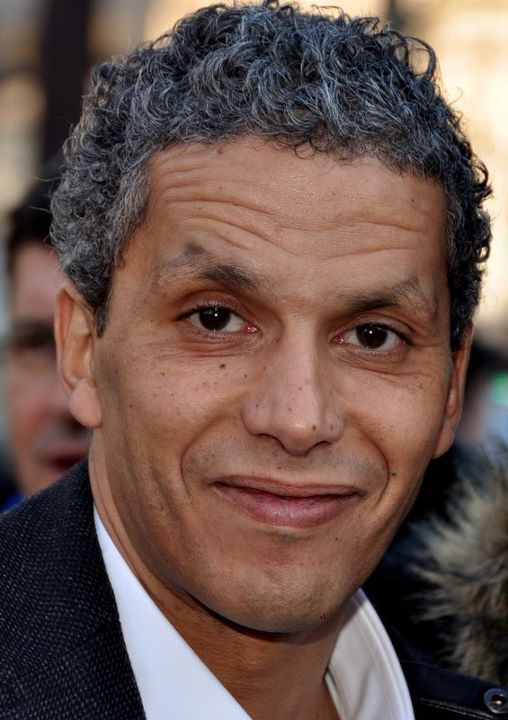
In the expansive and often complex world of cinema, certain artists transcend mere performance, becoming conduits for profound stories and critical societal reflections. Sami Bouajila, the eminent Tunisian-French actor, stands as one such figure. With a career spanning decades, marked by an impressive array of roles that have garnered two César Awards and international acclaim, Bouajila has established himself as a versatile and compelling force. His journey from a modest upbringing in the suburbs of Grenoble to starring in Oscar-nominated films and shaping narratives around identity and postcolonial themes is a testament to his talent, perseverance, and unwavering commitment to his craft.
The Roots of a Performer: Early Life and Formative Influences
Born on May 26, 1966, in La Tronche, Isère, France, Sami Bouajila's personal history is as rich and layered as many of the characters he brings to life. His upbringing in Échirolles, a working-class suburb south of Grenoble, was shaped by the migratory journey of his family. His father, a skilled building painter, had emigrated from Tunisia to France in 1956, seeking new opportunities. This move was part of a larger mid-20th-century wave of migration from former Ottoman and colonial territories to metropolitan France, a period characterized by significant economic shifts and post-independence realignments in North Africa.
Bouajila's family lineage extends further back, with his grandfather being an Amazigh (Berber) from Tripoli, Libya, who had earlier migrated to Tunisia. This tapestry of North African heritage, rooted in diverse cultural and geographical landscapes, profoundly influenced his understanding of identity and belonging. Growing up in a modest yet stable household, characterized by affection and a strong work ethic, Bouajila experienced firsthand the cultural dualities faced by many second-generation immigrants in France – balancing Maghrebi heritage with French societal norms. While he notes limited direct knowledge of his parents' native Tunisia due to their assimilation, this early exposure to the challenges and nuances of integration undoubtedly informed his later artistic choices and public reflections on identity.
Interestingly, Bouajila's path to acting was not immediate. Initially, he pursued vocational training, obtaining a Certificat d'aptitude professionnelle (CAP) in metal turning, a reflection of his working-class background. He even attempted to join the French forestry service, but fate had other plans. It was after this attempt that he gravitated towards the arts, successfully auditioning for the Conservatoire de Grenoble. This marked a pivotal shift, leading him to rigorous theatrical training focused on dramatic arts. He further honed his skills at the École de la Comédie in Saint-Étienne, a prestigious institution known for its emphasis on classical repertoire, improvisation, and ensemble performance. This intensive grounding in classical theatre provided him with the formidable technique and versatility that would become hallmarks of his screen presence.
A Glimmering Filmography: Defining Roles and Major Accolades
Sami Bouajila's career is distinguished by a series of powerful performances across both French and international cinema. His Hollywood debut in the 1998 thriller The Siege, where he portrayed an FBI agent, was an early indicator of his broad appeal and ability to navigate diverse production landscapes. However, it was his work in French cinema that truly solidified his reputation, with notable early roles in films like The Adventures of Félix (2000) and The Nest (2002).
A significant portion of Bouajila's critical acclaim stems from his collaborations with director Rachid Bouchareb, particularly on films that bravely confront historical and social narratives. Their partnership yielded two Oscar-nominated films that resonated deeply with audiences and critics alike:
- Days of Glory (Indigènes, 2006): This powerful film cast Bouajila as a North African soldier, shedding light on the overlooked contributions and sacrifices of colonial troops from North Africa who fought for France during World War II. His collective performance with the ensemble cast earned him the Best Actor award at the prestigious Cannes Film Festival, a profound acknowledgment of the film's historical significance and emotional impact.
- Outside the Law (Hors-la-loi, 2010): Another collaboration with Bouchareb, this film dramatized the Algerian independence struggles and, while critically acclaimed for its unflinching portrayal, also sparked considerable debate and controversy over its historical depictions of French colonial events. Bouajila's nuanced performance was central to the film's ability to provoke necessary conversations about memory and national identity.
Bouajila's critical success culminated in him receiving the coveted César Award for Best Actor for his role in the 2019 Tunisian drama, A Son (Un fils). In this emotionally charged film, he delivered a compelling performance as a father navigating a profound family crisis amid a medical emergency, showcasing his remarkable ability to convey deep vulnerability and resilience. With over 50 films to his credit and nine acting awards, Sami Bouajila has proven his consistent ability to deliver performances that are both raw and refined.
Embodying Complexities: Identity, Advocacy, and International Reach
What truly sets Sami Bouajila apart is his remarkable ability to embody complex characters, frequently exploring themes tied to immigrant experiences, postcolonial realities, and the search for identity. His personal background, rooted in Tunisian heritage and a French upbringing, provides him with a unique lens through which to approach these roles. He often brings an authentic gravitas to characters grappling with cultural dualities, social marginalization, and the weight of history.
Beyond his cinematic contributions, Bouajila has not shied away from using his platform for advocacy. In June 2024, he notably signed a petition addressed to French President Emmanuel Macron, demanding France's official recognition of the State of Palestine. This act of public engagement underscores his broader commitment to humanitarian and political issues, aligning with the ethical and social consciousness often reflected in his film choices. Such actions illustrate an artist deeply connected to global events and willing to stand for what he believes in, reinforcing his image as more than just an actor but a thoughtful public figure.
His influence extends beyond the European continent, with a continued presence in American productions, such as the upcoming 2024 remake of The Crow. This ongoing international work is a testament to his global appeal and versatility, allowing him to bridge cultural gaps and bring diverse stories to a worldwide audience. Sami Bouajila's choice of roles often serves as a mirror to society, reflecting important conversations about heritage, belonging, and justice. His performances offer viewers not just entertainment but a deeper understanding of human experiences across different cultural landscapes. For more on his journey of self-discovery through art, consider reading Sami Bouajila's Journey: Exploring Identity Through Cinema.
Practical Insight: The power of an actor like Sami Bouajila lies not only in his exceptional craft but also in his courage to lend his talent to stories that challenge dominant narratives. For aspiring filmmakers and actors, his career serves as a powerful reminder that impactful cinema often emerges from a genuine engagement with social issues and a willingness to explore uncomfortable truths. By portraying marginalized voices and complex historical events, Bouajila contributes significantly to cultural dialogue and historical reconciliation.
The Enduring Legacy of a Versatile Artist
Sami Bouajila's journey from a working-class suburb to the pinnacle of international cinema is a narrative of exceptional talent meeting purposeful artistry. His extensive filmography is a tapestry woven with threads of compelling characters, critical societal examinations, and emotional depth. He has consistently chosen roles that resonate with integrity, portraying the human condition with nuance and power, whether as a soldier fighting for a nation that once colonized his ancestors or a father confronting unimaginable personal tragedy.
His impact is multifaceted: as an actor who has garnered significant awards, as a cultural ambassador bridging Tunisian and French identities, and as a public figure unafraid to express his convictions. Bouajila's work enriches the cinematic landscape by bringing authenticity and gravitas to narratives that are essential for fostering empathy and understanding in a globalized world. He has carved out a unique and indispensable niche, influencing both European and American productions with his distinct presence and unwavering commitment to profound storytelling.
Conclusion
From his César-winning performances to his memorable roles in Oscar-nominated films, Sami Bouajila stands as a beacon of talent and integrity in the acting world. His journey is one of continuous evolution, marked by a profound connection to his roots and an unwavering dedication to cinematic excellence. Through his powerful portrayals and his courageous engagement with themes of identity and justice, Bouajila has not only achieved international acclaim but has also cemented his legacy as an artist who uses his craft to illuminate the complexities of the human experience and spark vital conversations. His enduring presence on screen continues to inspire, challenge, and captivate audiences worldwide.